How does artificial light at night affect life in the open waters of a lake?
13
08
2026
Researchers from the University of Warsaw have investigated how artificial light at night affects the vertical distribution of zooplankton and fish in a lake. Numerous studies have shown that artificial ...
Read more
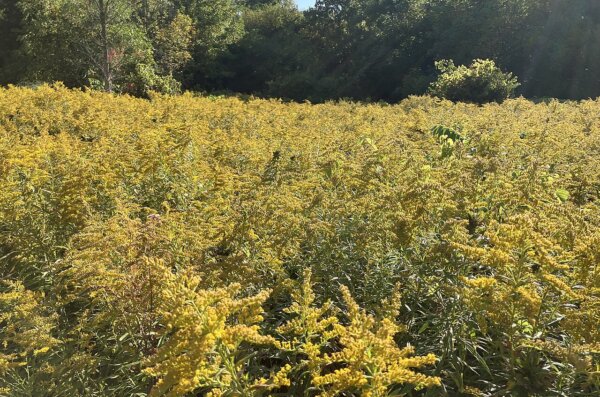
Canadian goldenrod and its own decomposition team: one secret of an invasive plant
29
07
2026
Invasive Canadian goldenrod may harbour microorganisms within its tissues that are capable of initiating the decomposition of plant litter without substantial support from soil microbes. Research conducted by scientists from ...
Read more

Dr hab. Karolina Archacka, Patrycja Scislewska oraz prof. Marcin Zych in the latest issue of “Pismo UW”
27
07
2026
In the latest issue of “Pismo UW”, you will find, among other features: - An interview with Dr hab. Karolina Archacka entitled “Millions for Muscles”, devoted to the project “Development ...
Read more
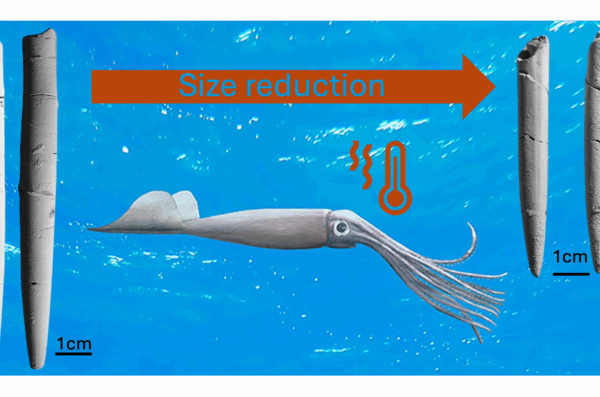
Climate change has caused marine animals to shrink for millions of years
22
07
2026
For hundreds of millions of years, ectothermic animals—from mussels and crustaceans to fish—have responded to environmental crises by decreasing in body size. Until now, however, it has remained unclear how ...
Read more
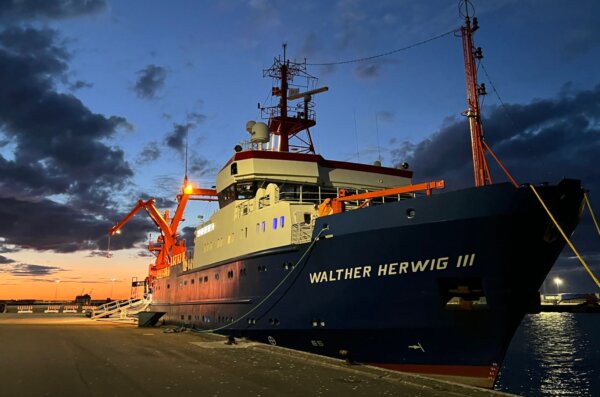
New data for assessing environmental risks associated with chemical weapons dumped in seas and oceans
16
07
2026
In the 20th century, more than one million tonnes of chemical weapons were dumped into seas and oceans worldwide. As corrosion progresses, the submerged munitions gradually lose their integrity, releasing ...
Read more

Microplastics can reduce the abundance of planktonic crustacean populations without altering their clonal structure
07
07
2026
Microplastics can reduce the abundance of Daphnia populations, small, filter-feeding planktonic crustaceans that play an important role in freshwater ecosystems, before causing detectable changes in the frequencies of individual genotypes. ...
Read more

Maternal care preserved in stone: bivalves brooded their young as early as 125 million years ago
03
07
2026
Fossils most commonly preserve the hard parts of organisms, such as shells and bones. This time, however, an international research team, member of which is a scientist from the Faculty ...
Read more
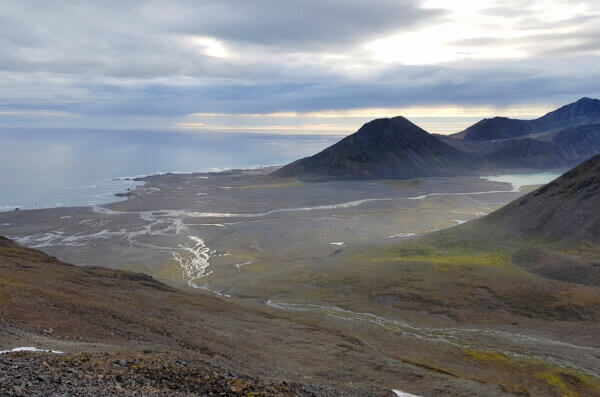
Psychrophilic bacteria from Spitsbergen and their role in greenhouse gas production
01
07
2026
Scientists from the Faculty of Biology, University of Warsaw, have described a new genus of Arctic bacteria, named Gelidimonas, and two new species: Gelidimonas denitrificans and Gelidimonas diazotrophica. The microorganisms ...
Read more
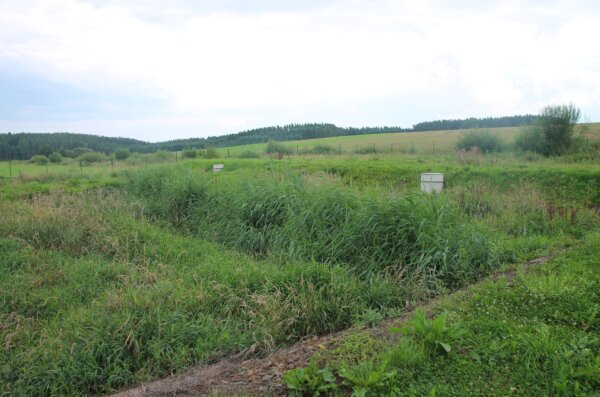
When Wastewater Carries Pharmaceuticals and Resistance: Can Constructed Wetlands Retain Them?
18
06
2026
Antibiotic residues and genes that enable bacteria to survive exposure to these drugs are increasingly entering rivers, lakes and groundwater together with wastewater. Even low concentrations of pharmaceutical compounds may ...
Read more