
NCN OPUS grant to investigate how continental breakup shape lizard evolution
24 06 2026
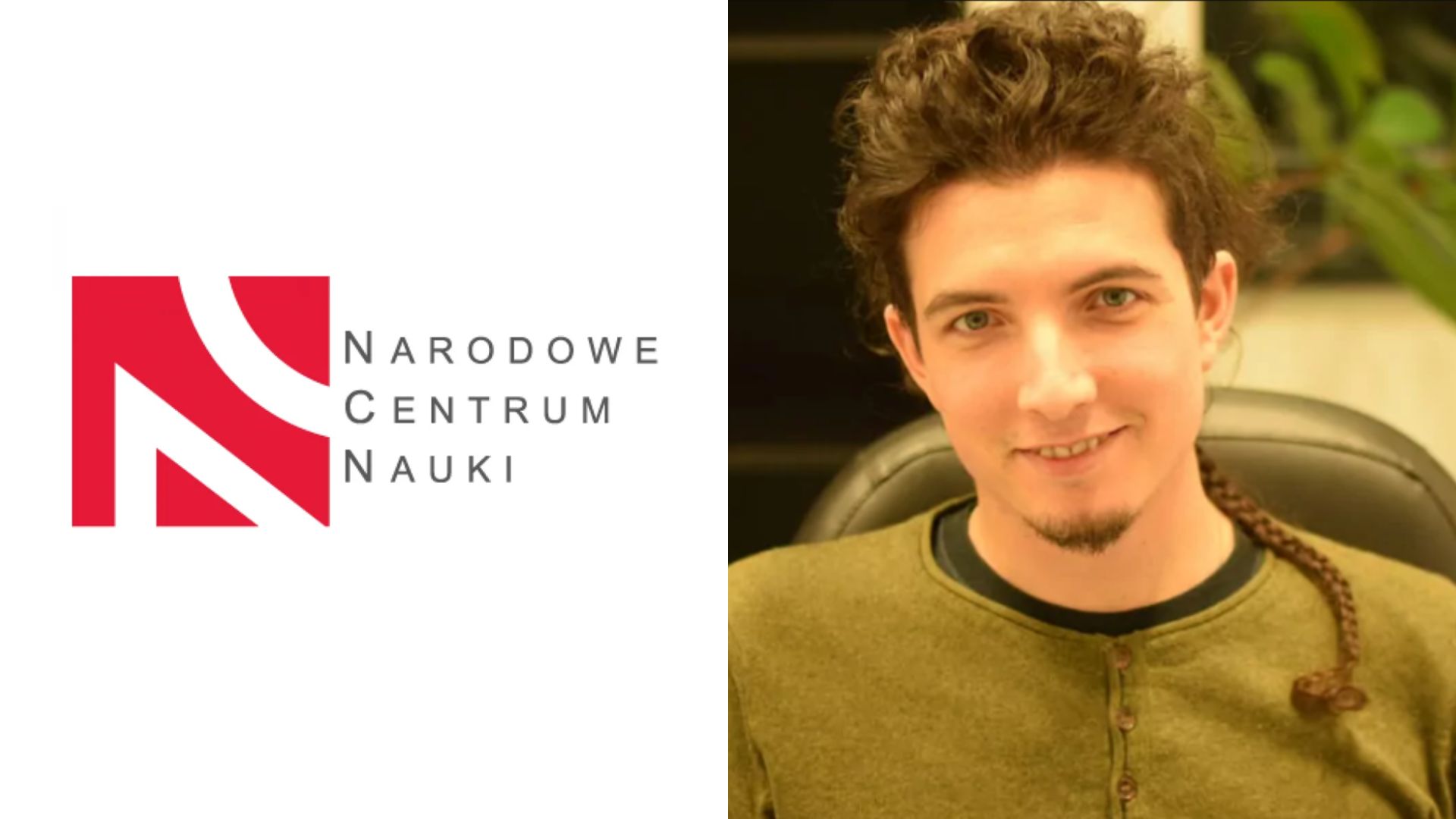
Dr Mateusz Piotr Tałanda from the Institute of Evolutionary Biology has received PLN 1,888,876 in funding from the National Science Centre under the OPUS 30 call for the project entitled “Long transoceanic dispersals or land bridges? Unravelling biogeographic patterns and the evolutionary success of the lizard superfamily Lacertoidea”.
Why are some groups of lizards distributed across multiple continents, while others are restricted to a single region? Are these patterns the result of ancient dispersal events or of populations being separated by the breakup of supercontinents? These questions lie at the heart of a new research project funded by the National Science Centre (NCN) and led at the University of Warsaw.
The project focuses on Cretaceous lizards that lived approximately 70 million years ago. Exceptionally preserved fossils, particularly those from the Gobi Desert, provide a unique opportunity to investigate a crucial period in the evolution of modern lizards and snakes. At the same time, this interval witnessed major geological and climatic changes that may have shaped the geographic distribution of their evolutionary lineages.
By integrating fossil evidence, phylogenetic analyses and historical biogeography, the researchers aim to reconstruct how major groups of lizards originated and spread across the globe. A central goal is to determine where and when these groups originated and how they spread to other continents.
The project builds upon previous discoveries by Dr Mateusz Tałanda, whose research demonstrated that some major lizard lineages may have diversified before the fragmentation of Pangaea. Published in leading journals such as Nature and Palaeontology, these studies showed that fossils provide crucial evidence not only for anatomy and evolutionary relationships, but also for understanding the geographic history of life on Earth.
Using state-of-the-art imaging techniques, including CT scanning and 3D reconstructions, the project will reveal hidden anatomical details preserved inside fossils and help explain how geological and environmental changes shaped the evolution and global distribution of one of the most diverse groups of vertebrates living today.
Warm congratulations on receiving the grant, and best wishes for the successful completion of the project!
Details of the National Science Centre funding calls are available at: https://www.ncn.gov.pl/aktualnosci/2026-06-11-wyniki-opus30-sonata21