
Prof. Anna Karnkowska awarded NCN OPUS 30+LAP/Weave grant to study parasitic protists from the Perkinsea group
30 07 2026
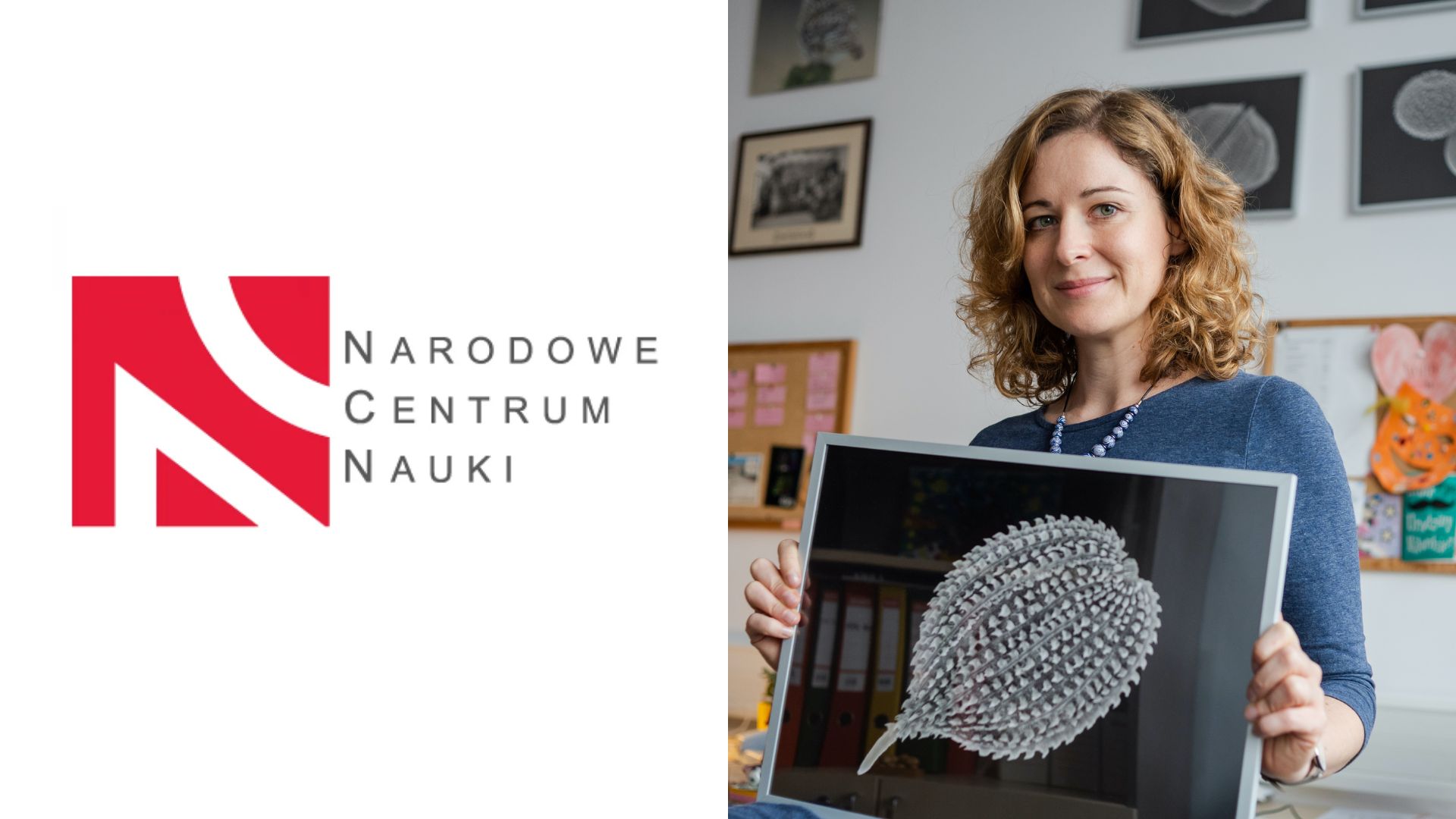
Prof. Anna Karnkowska, from the Institute of Evolutionary Biology, Faculty of Biology, University of Warsaw, has received a grant from the National Science Centre in the amount of PLN 1,690,660 under the OPUS 30+LAP/Weave call for the project entitled “Diversity, ecology and interactions of parasitic protists from the Perkinsea group in freshwater ecosystems”. The Czech partner in the project is the Biology Centre, Czech Academy of Sciences, where the research team is led by Dr Elisabeth Hehenberger.
Parasitism is one of the most widespread life strategies in nature and plays a key role in the functioning of ecosystems. Despite this, many parasitic microorganisms remain practically unknown. This applies in particular to the Perkinsea group — unicellular protists commonly found in freshwater environments, whose hosts, life cycles and ecological significance still remain a mystery.
The aim of the project is to explore the diversity of Perkinsea and explain their role in freshwater ecosystems. The research will involve identifying the hosts of these microorganisms, analysing their dispersal routes and determining the environmental factors that influence the occurrence of these parasites. The studies will be conducted in lakes of the Masurian Lakeland, covering a wide range of environmental conditions — from lakes with a low degree of transformation to water bodies strongly affected by human activity.
The project will use modern molecular biology methods, including long-read metabarcoding, single-cell sequencing and transcriptomic analyses, complemented by laboratory experiments. Combining these techniques will make it possible not only to detect the presence of Perkinsea, but also to identify their hosts and better understand the mechanisms of parasite–host interactions.
The results of the project will provide new information about a highly diverse yet one of the least understood groups of parasitic eukaryotic microorganisms occurring in freshwater ecosystems. They will also help to better understand the role of parasitism in the functioning of these ecosystems. The research will contribute to determining how human activity affects relationships between parasites and their hosts, which is important for the protection of inland water biodiversity.
Warm congratulations on receiving the grant, and we wish every success in carrying out the project!
More information is available on the NCN website:
https://www.ncn.gov.pl/aktualnosci/2026-07-07-26-miedzynarodowych-projektow-opus-lap