

Diversity in a drop: what determines the diversity of nectar-associated fungi?
23 03 2026
Scientists from the University of Warsaw Botanical Garden, Kamil Kisło and Marcin Mazurkiewicz (first authors), Bartłomiej Starzyński, Prof. Marcin Zych and Katarzyna Roguz, PhD (corresponding author), and Mikołaj Wołącewicz from the Institute of Bioengineering, Faculty of Biology UW, are the main authors of a scientific paper on how flower traits, pollinator visits, and nectar chemistry influence the nectar mycobiome, that is, the species composition of fungi living in nectar. The article, titled “Plant–pollinator interactions and floral and nectar traits shape the diversity of the nectar mycobiome”, was published in Scientific Reports. The study was also carried out with the participation of biologists from the University of Białystok.
Flower nectar is traditionally seen as a food for pollinators. For microorganisms, however, this sweet liquid is a demanding microhabitat colonised by specialised species. Microorganisms present in nectar can change its properties, influence pollinator behaviour, and in this way affect pollination. Although it has long been known that many fungi are associated with nectar, the mechanisms shaping their diversity have remained poorly understood.
To better understand the factors that shape mycobiome, the researchers analysed ten species of insect-pollinated plants belonging to nine families. They examined the chemical composition of nectar, including sugars and amino acids, identified fungal taxa, and estimated the biodiversity of nectar-associated fungi. They also compared nectar form flowers available for pollinators with nectar form flowers isolated at the bud stage, which made it possible to analyse the effect of pollinator visits.
The analyses showed that one of the most important factors shaping nectar mycobiome were nectar properties, especially the presence of glucose and fructose, which was the key factor associated with fungal diversity, with a less important role of flower traits and assemblages of flower visitors. At the same time, differences in nectar chemistry were found between open flowers and isolated flowers. This suggests that flower-visiting animals may act as vectors of microorganisms, carrying them between plants and indirectly influencing the properties of nectar itself.
The study also revealed the presence of many fungal families that are not considered typical nectar habitants. Many of these taxa, including filamentous fungi, may use nectar as a place for temporary transport or short-term survival. This suggests that nectar is more dynamic and open ecosystem than previously thought.
This study shows that in the plant–pollinator system, an important role is also played by a “third partner” — the mycobiome. The presence of fungi may modify nectar properties, affect insect behaviour, and therefore potentially also influence pollination success. Including the mycobiome in biodiversity research opens new perspectives for a better understanding of how ecosystems function and how insect-pollinated species can be protected.
Congratulations on this publication!
Link to the paper: https://doi.org/10.1038/s41598-026-42903-3
The study was funded by the IDUB New Ideas programme.
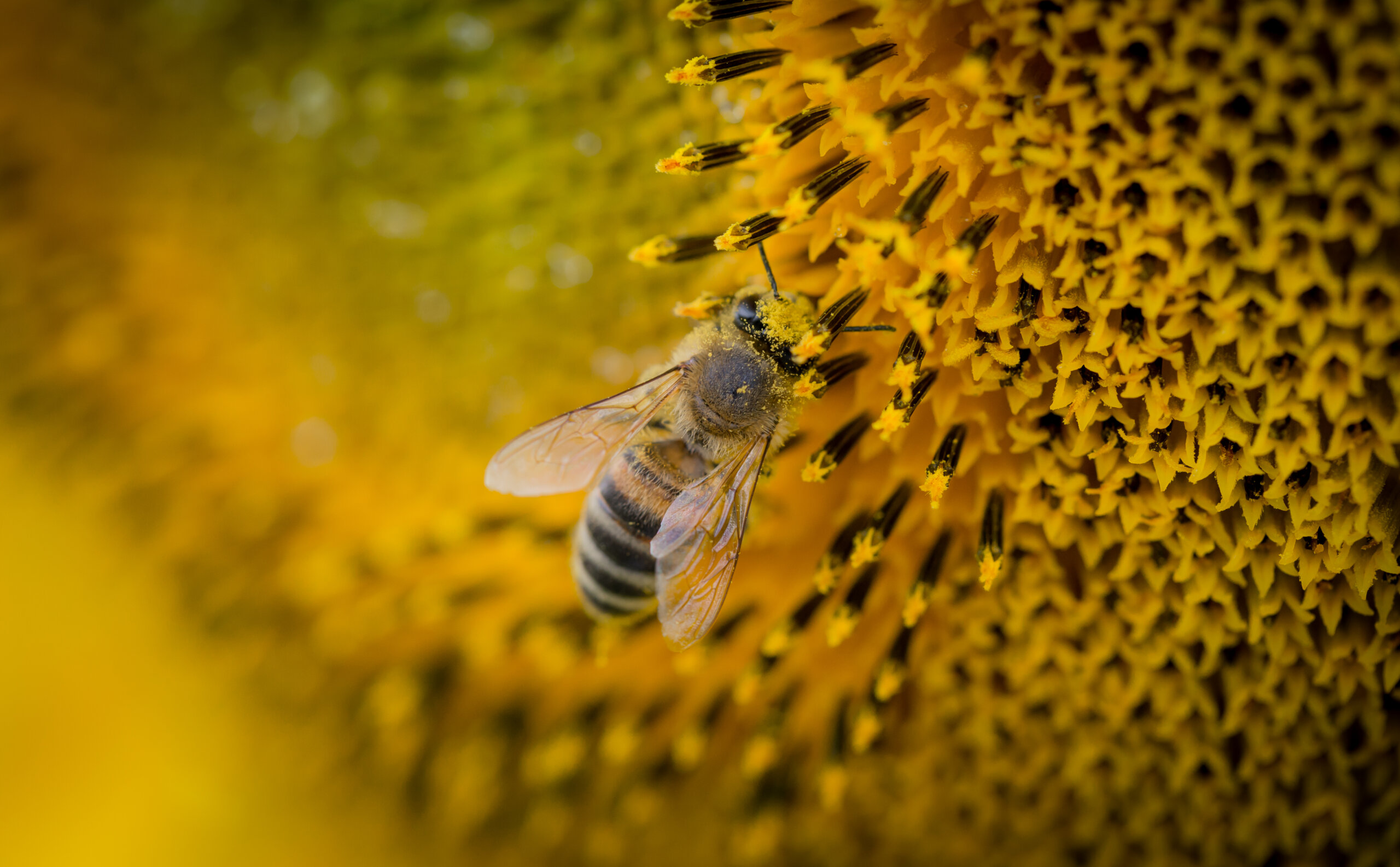
Photo: www.vecteezy.com/members/blooddrainer